


How to Waterproof Shoes: A Complete Guide to Protecting Your Footwear
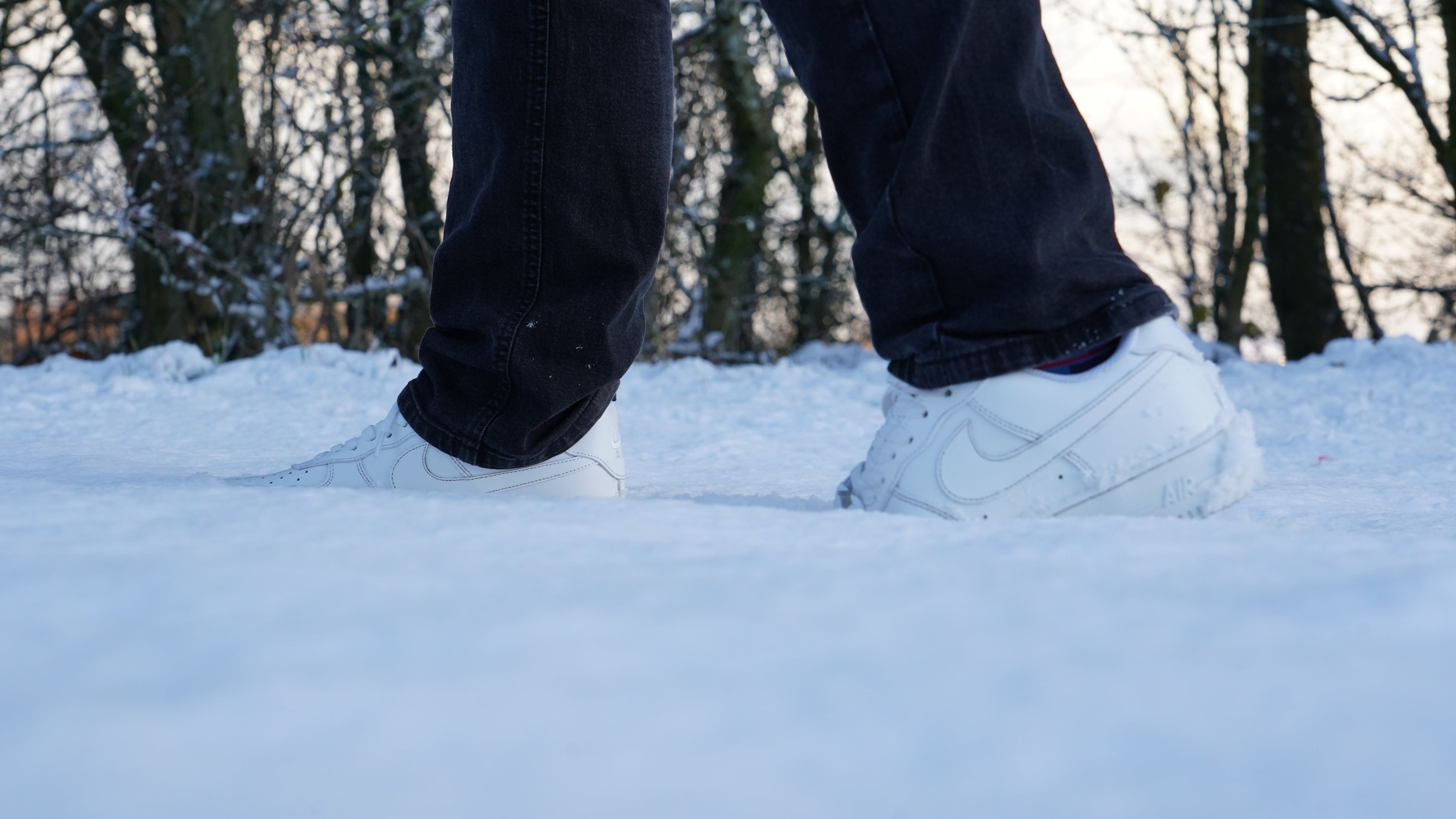
Rain, snow, and everyday moisture can quickly damage shoes. Water can stain leather, flatten suede, weaken adhesives, and cause materials to deteriorate over time. Even light exposure to moisture can leave marks that are difficult to remove once they set into the material.
Waterproofing is one of the simplest ways to protect footwear and extend its lifespan. A good waterproof treatment helps prevent stains, reduces water absorption, and makes shoes easier to clean in the future.
In this guide, we explain how shoe waterproofing works and how to protect different types of footwear safely.
Why Waterproofing Shoes Matters
Many shoes are not designed to withstand repeated exposure to rain or wet conditions. Materials such as leather, suede, and canvas can absorb moisture quickly if left untreated.
Waterproofing works by creating a protective layer on the surface of the shoe. Instead of soaking into the material, water forms droplets and rolls off. This barrier also helps prevent dirt and stains from penetrating the surface.
By protecting shoes before damage occurs, waterproofing helps maintain their appearance and reduces the need for deeper cleaning later on.
Which Shoes Should Be Waterproofed
Most everyday footwear benefits from some level of water protection, particularly if the shoes are worn regularly outdoors.
Waterproofing is especially helpful for:
-
Leather shoes and boots
-
Suede or nubuck footwear
-
Canvas or fabric sneakers
These materials are more likely to absorb moisture, which can lead to staining or long-term damage if left untreated.
Choosing the Right Waterproofing Product
Shoe protectors generally work by applying a hydrophobic coating that repels water while still allowing the material to breathe.
Spray protectors are the most versatile option and work well on many materials, including suede, leather, and textiles. Try The Shoe Clinic Leather Protector, or The Shoe Clinic Suede Protector for proven results.
Wax or cream-based products such as The Shoe Clinic Shoe Cream are often used for smooth leather shoes, providing both conditioning and added resistance to moisture.
For heavy duty waterproofing on leather boots or work shoes, we recommend The Shoe Clinic Shoe Grease which offers more industrial protection for outdoor leather footwear.
Selecting the correct product for the material is important. Using the wrong treatment can alter the texture or appearance of the shoe.
How to Waterproof Shoes Properly
Preparation is key to effective waterproofing. Shoes should always be clean and fully dry before any protective product is applied. Dirt or residue left on the surface can reduce the effectiveness of the coating.
Once the shoes are ready, apply the waterproofing spray evenly across the entire surface. Holding the spray at a consistent distance helps create an even layer without oversaturating the material.
After application, allow the shoes to dry completely before wearing them. This drying time allows the protective layer to bond with the material and provide effective water resistance.
How Often Waterproofing Should Be Reapplied
Waterproofing treatments gradually wear away with use, especially in wet conditions.
A simple way to test whether shoes need reapplication is to place a few drops of water on the surface. If the water beads and rolls off, the protection is still working. If it begins to soak into the material, it’s time to reapply a protective treatment.
Regular maintenance ensures shoes remain protected throughout their lifespan.
Common Waterproofing Mistakes
While the process is straightforward, certain mistakes can reduce the effectiveness of waterproofing. These include:
- Applying protector to dirty shoes
- Using heavy coats instead of light, even layers
- Using a product that isn’t designed for the shoe material
Taking time to prepare the shoes and applying protection carefully leads to much better results.
Final Thoughts
Waterproofing is a simple but effective way to protect shoes from everyday wear and changing weather. By applying the right treatment and maintaining it regularly, you can prevent moisture damage and keep footwear looking its best for longer.
Protecting shoes early helps extend their lifespan and reduces the need for more intensive cleaning or restoration later.